What to look for in a remote imaging provider
Selecting the right remote imaging partner begins with clarity on clinical scope and coverage. Evaluate whether the provider supports the types of studies you need, such as head, chest, and abdomen CT, and whether they teleradiology companies can handle typical variations in case complexity. You should also confirm the turnaround model, including how urgent reads are triaged and how work queues are managed during peak volumes.
Quality assurance practices are just as important as speed. Look for documented review workflows, peer review options, and a structured approach to discrepancy handling, because consistency is a core requirement for downstream clinical decisions. A strong partner should be able to explain how they calibrate reporting standards across radiologists and how they keep imaging protocols and report expectations aligned with referring sites.
Expert recommendations for evaluating reporting consistency
For expert guidance, prioritize vendors that can demonstrate reporting consistency across radiologists and across sites. Ask how they handle structured reporting elements, how they enforce template completeness, and how ai radiology reporting they reduce variability in measurements and impression statements. Consistent language and repeatable formatting can improve interpretability for clinicians and reduce the risk of overlooked findings.
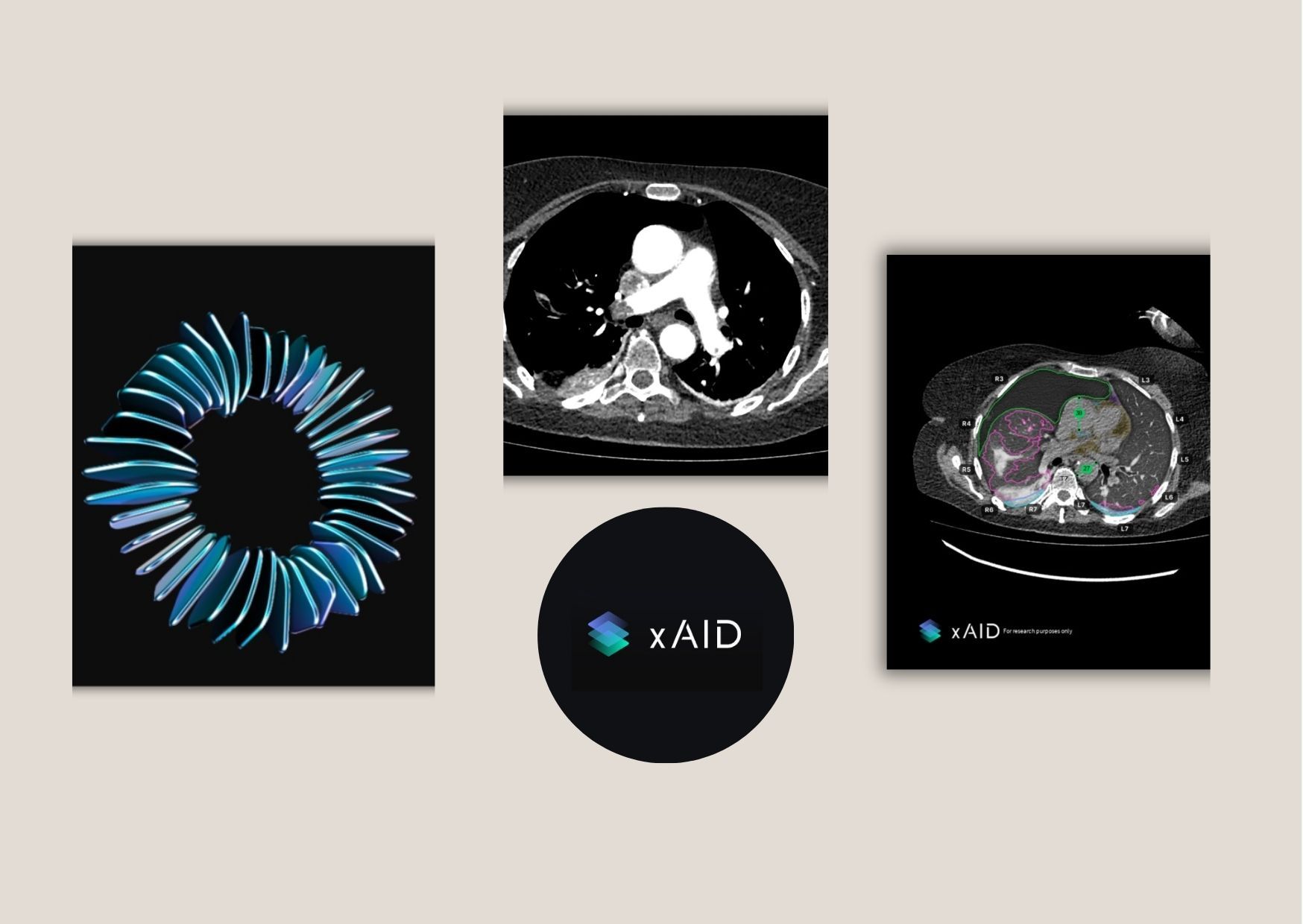
Rather than treating AI as a headline feature, request details on how decision support is integrated into the reporting workflow, including how outputs are presented and how radiologists are guided to verify them. The best programs make AI assistance transparent, controllable, and auditable so radiologists can focus on clinical judgment while maintaining high-quality documentation.
Workflow integration and data handling that won’t slow you down
Confirm that their intake process is compatible with your existing systems for DICOM routing, study tracking, and communication of results. A partner should support smooth transitions from study receipt to report delivery, minimizing manual steps for your staff and reducing avoidable delays.
Security and governance should be assessed with the same rigor as clinical performance. Request information on how data is protected during transfer and storage, what access controls are used, and how audit trails are maintained for compliance needs. When integration is clean and governance is strong, you can scale remote diagnostic services without adding operational friction or creating confusion around responsibilities.
Conclusion
Choosing a reliable partner for remote diagnostic reads is easiest when you treat it like a clinical quality and workflow decision, not only a procurement choice. Focus on coverage fit, documented quality processes, and transparent use of decision support so your team can trust outcomes. When these elements come together, AI-assisted reporting can strengthen consistency while preserving radiologist accountability. For imaging providers seeking streamlined CT reporting for head, chest, and abdomen cases, xaid.ai offers a practical path to operational efficiency and consistent radiology workflows. By pairing technology with expert-oriented processes, teams can reduce friction from study intake through final documentation.
