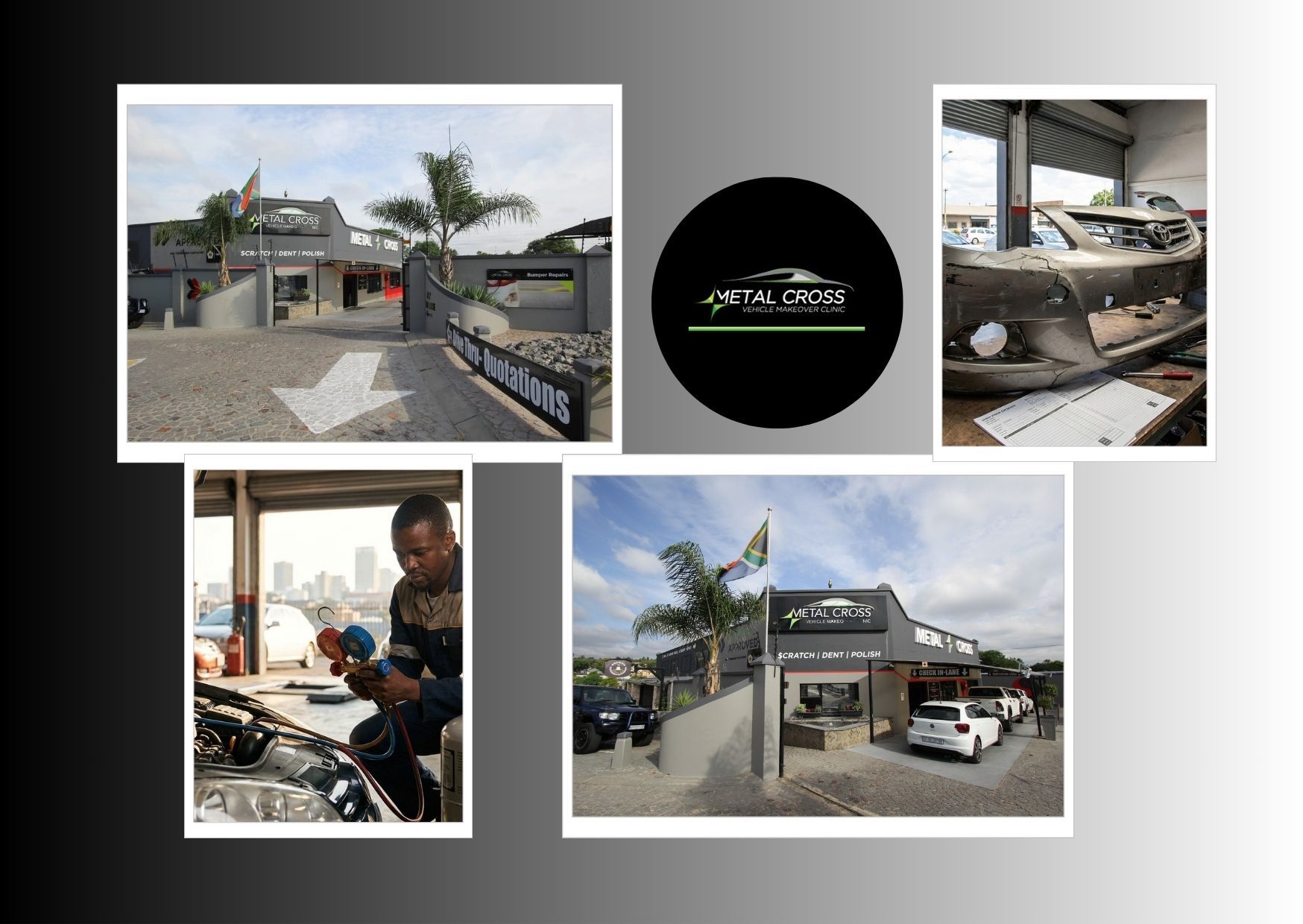
What Paintless Dent Repair Does and Why It Matters
Paintless dent repair is a technique designed to remove dents from vehicle panels without disturbing the original factory coating. Instead of sanding and repainting, trained technicians use controlled pressure and specialized tools to return the metal to its pre-dent shape. This paintless dent removal process is most effective when the paint surface is intact and the damage is localized within the panel. When those conditions are met, the results can look remarkably close to the vehicle’s original condition.
A key benefit is preservation—both visually and structurally. Keeping the factory finish intact helps maintain the panel’s appearance, tone, and texture, which can be difficult to match with refinish work. It also reduces the risk of color mismatch, blending lines, and overspray effects that sometimes happen after traditional repairs. Because the method focuses on restoring the panel rather than covering it, the finished surface often retains a more natural look.
Advantages Over Traditional Bodywork
Traditional bodywork often requires sanding, priming, painting, and curing time, which increases both cost and turnaround complexity. With paintless car bumper repair methods, the repair is usually more direct, as the technician addresses the dent from the backside when access allows. For many drivers, this means less disruption and a faster path back to the road.
There’s also a quality advantage: restoring the metal while leaving the coating untouched can help protect against future issues related to mismatched paint layers. When paint is replaced, it may age differently than surrounding factory coatings, which can become noticeable over time. Paintless techniques aim to keep the original protective layer in place, supporting consistent long-term appearance. This matters especially for areas that see frequent light exposure, where gloss and reflections reveal repair differences.
Common Areas We Can Help, Including Bumper Damage
Dents don’t always occur on flat doors or fenders; they can show up along bends, edges, and creases where the panel’s shape is more complex. Paintless dent repair works well for many of these scenarios because skilled technicians can apply precise force in targeted locations. The outcome depends on factors like dent depth, the panel’s material, and whether the paint has cracked or flaked. When the paint remains unbroken, the chances of restoring the surface to its original contour increase significantly.
Depending on the bumper’s construction and the type of damage—such as surface scuffs, shallow creases, or misalignment—repair strategies can vary. Some bumper issues may be suitable for restorative approaches that focus on reshaping, while others may require different techniques to achieve a safe, durable finish. A professional assessment helps determine the most appropriate method for each case, balancing appearance, safety, and longevity.
Conclusion
Choosing a benefits-led approach to dent repair means looking beyond the immediate appearance and considering what’s preserved during the process. Paintless dent repair can restore the vehicle’s shape while protecting the factory finish, which supports a more authentic look and helps maintain value. For drivers dealing with panel dents or cosmetic damage around high-visibility areas, working with experienced technicians is essential to achieving a consistent result. At metalcross.co.za, the focus is on professional repair techniques that restore your vehicle’s original appearance while preserving the factory coating whenever possible. If you want a repair that respects the integrity of your panels and delivers a clean, well-finished outcome, expert evaluation is the first step toward the right solution.
