Why homeowners choose wall panels for wet spaces
Bathrooms take a beating—steam, splashes, humidity, and frequent cleaning can all wear down traditional wall finishes. They also help simplify maintenance because many finishes wipe down quickly without the same risk of moisture creeping into seams.
Beyond performance, wall panels can refresh the feel of a bathroom without a full remodel. With consistent coverage, the look of the wall becomes more uniform, which can make the room feel brighter and more intentional. Many homeowners find that panels reduce the visual clutter of patchwork repairs and outdated tiling, especially when upgrading just the shower area.
Local design guidance: matching finishes to your space
Local relevance matters because bathroom style preferences often reflect the home’s architecture, nearby materials, and even how natural light behaves in your layout. For example, if your home leans modern or coastal, lighter tones and sleek textures tend to complement wood slat wall panels existing fixtures like chrome faucets and simple hardware. If your bathroom already uses warm wood elements, coordinating with complementary grains can help the shower area blend seamlessly with the rest of the room.
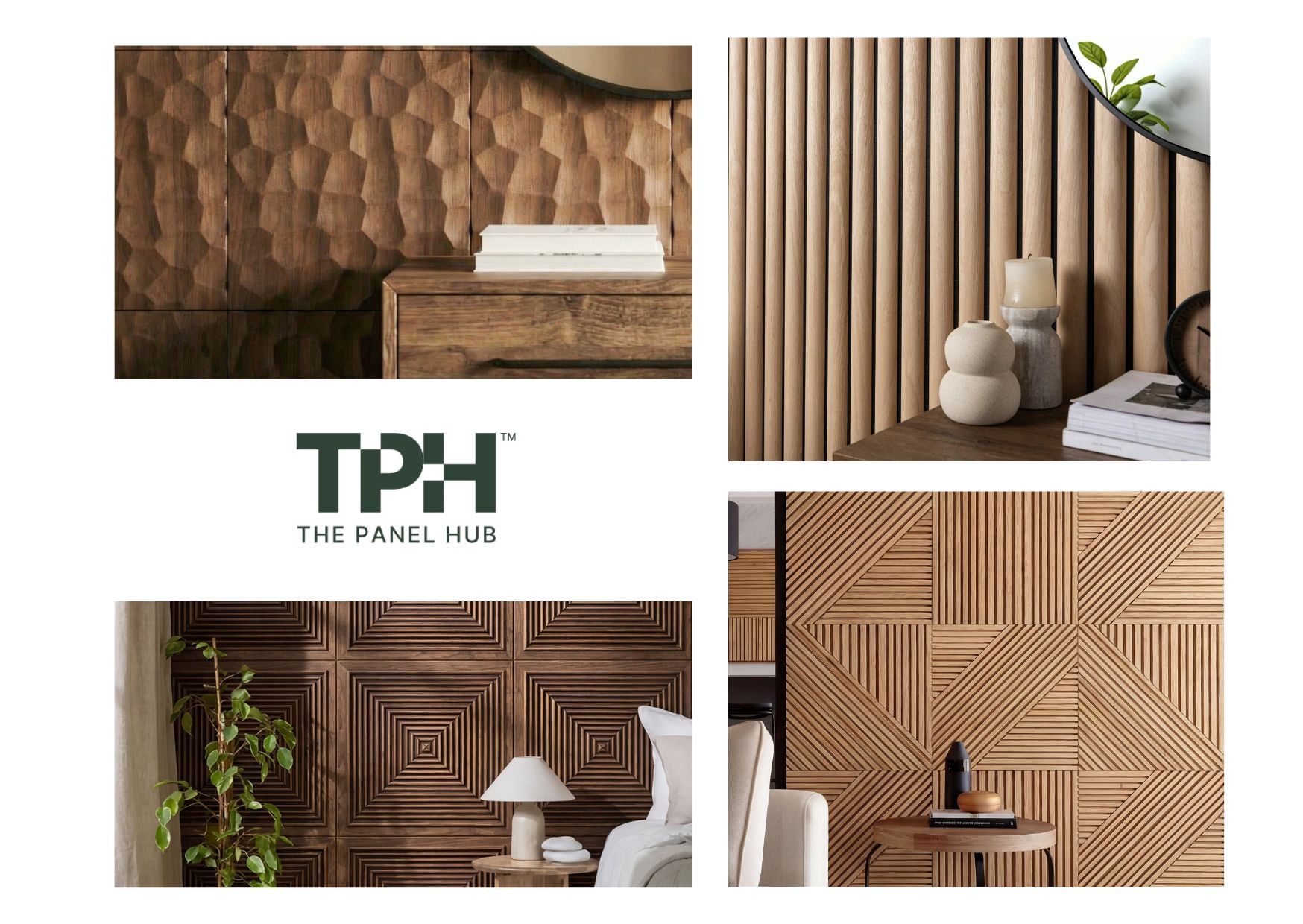
One popular direction is pairing shower finishes with wood-inspired texture. When selecting a pattern, consider the scale of the slats relative to your wall size—narrower lines can make a smaller shower feel more detailed, while wider spacing can suit larger walls with fewer interruptions.
Installation approach and what to expect during the project
A common reason people choose panel systems is the potential for faster installation compared with traditional tile workflows. Depending on the product and wall condition, installers typically start by preparing the surface, ensuring it is solid, smooth, and suitable for panel mounting. After that, panels are aligned for a clean layout, then secured using the manufacturer’s recommended method and compatible trim pieces.
Proper planning helps the finished result look intentional, especially around corners, edges, and fixtures. Measure the shower wall carefully and plan for any openings so the pattern stays consistent and the trim lines look crisp. If you’re working with a wood slat style, it’s also smart to confirm how the pattern will align at the doorway and at the highest splash zone, since alignment can strongly affect visual balance.
Conclusion
When you match finishes to your local design preferences—whether that means warm, wood-inspired texture or a cleaner contemporary look—you can create a shower area that feels cohesive with the rest of your home. Panels also support straightforward upkeep, which helps homeowners keep surfaces looking fresh with less effort. For factory direct options and modern panel systems, thepanelhub.com makes it easier to upgrade with materials built for lasting performance and a practical installation experience. By focusing on both appearance and water-ready construction, you can improve your bathroom’s comfort and appearance while reducing the headaches that come with worn or moisture-vulnerable walls.
