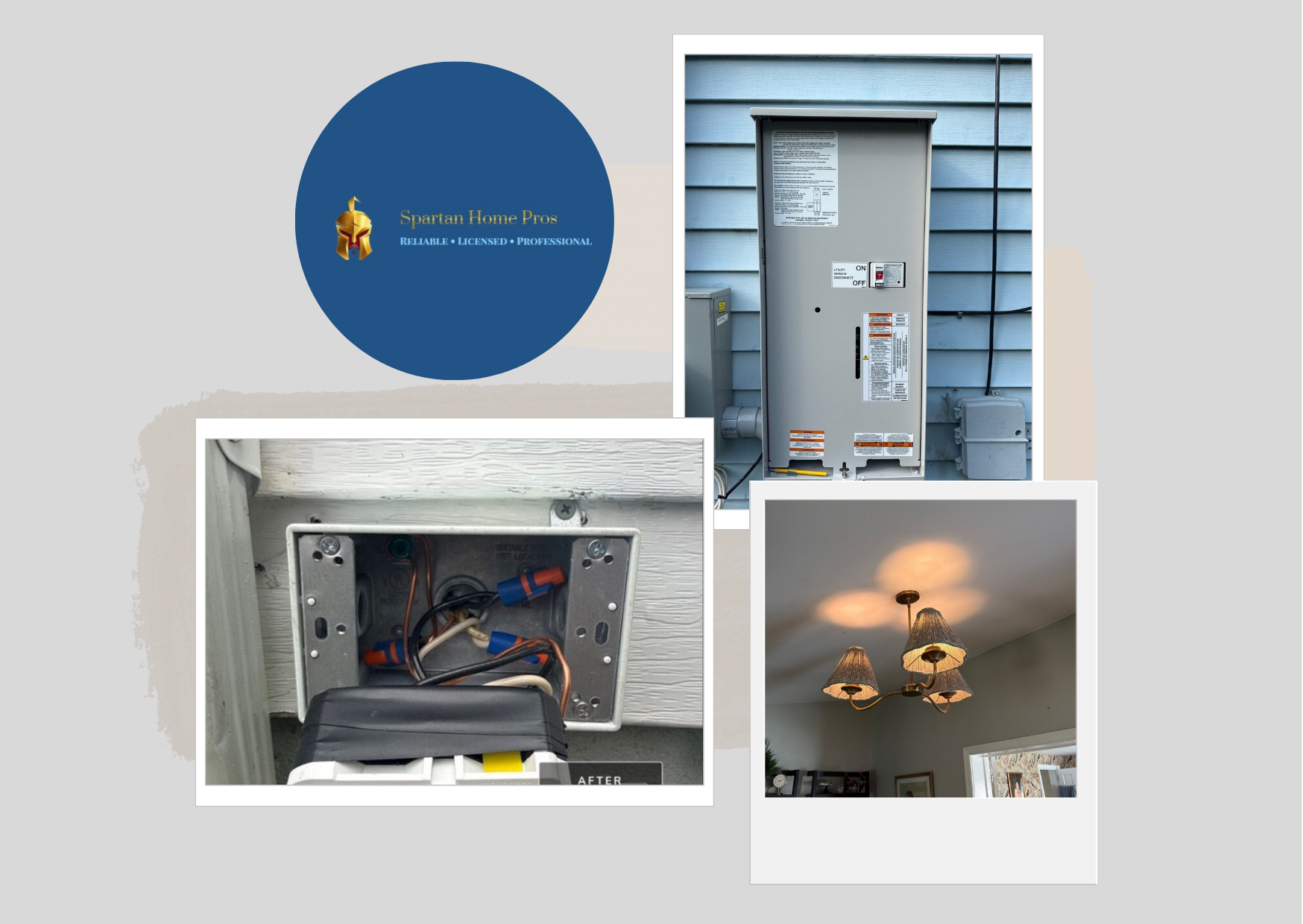
How to choose the right backup power capacity
Make a list of what you must keep running during an outage, such as refrigeration, lighting, well pumps, HVAC, and internet equipment. Then note starting surge loads for motors and whole house generator installation compressors, because those brief spikes can be the difference between smooth operation and nuisance tripping. A properly sized system protects comfort and reduces the risk of failed transfers when power comes back and your home resumes normal use.
Next, compare standby and portable approaches based on how you actually use power. Standby systems connect automatically and are designed for whole-home continuity, which suits households that rely on medical devices, sump pumps, or home offices. Portable options can work for smaller needs, but they require manual setup and are less convenient for multi-system continuity. If your home has multiple energy loads, an experienced electrical contractor can help you estimate both running wattage and surge wattage to avoid underbuying or overpaying.
Fuel options, transfer switching, and installation details
Battery backup and generator systems differ widely in how they source energy, and fuel choice affects cost, runtime, and maintenance. Many homes pair a standby generator with natural gas or propane, which can provide long-duration operation with fewer interruptions than fuels that require frequent refilling. ev charger installation Ask about your local utility setup, fuel availability, and whether an underground gas line is already present or would need installation. These factors often influence the recommended model and the overall timeline for permitting and electrical work.
Transfer switching is where reliability is won or lost. A quality transfer switch detects loss of utility power and then safely routes electricity to selected loads, helping prevent backfeeding into the grid. You should understand whether your system uses automatic transfer equipment and how it handles critical circuits like HVAC and refrigeration. Discuss placement as well: generators need proper ventilation clearance, safe exhaust routing, and weather-protected wiring paths. Clear labeling of circuits and a well-documented plan for what runs during an outage also makes the system easier to live with.
Cost drivers and buyer-ready questions to ask
The price of backup power depends on more than just the generator unit. Labor, electrical panel modifications, transfer equipment, conduit runs, and site preparation can significantly affect the final cost. A buyer-intent approach means requesting a detailed scope of work and a written breakdown that covers permits, materials, wiring, and testing. If an estimate skips these elements, it can lead to surprise charges once the contractor opens the panel and confirms actual conditions.
Before signing anything, ask about warranty terms, service response, and what maintenance is required to keep the system dependable. Confirm whether the installer will test transfer operation, verify load behavior, and demonstrate safe start-up procedures. If you plan upgrades, such as adding an EV charger, incorporate those plans early so the electrical design can support future demand. Many homes now rely on both backup power and charging convenience, so coordinating circuit capacity and electrical strategy helps prevent expensive rework later.
Conclusion
Choosing a reliable generator solution is about matching your home’s real-world loads with an electrical plan that prioritizes safety and convenience. A thoughtful design should cover proper capacity sizing, safe transfer switching, and a clear path for essential circuits, so you can protect food, comfort, and communication during outages. When buyers treat the project like a long-term system rather than a one-time purchase, they end up with fewer operational surprises and a smoother experience. If you want a generator installation that supports your priorities, focus on the questions that drive correct sizing and correct wiring: what runs, how it transfers, and how the system will be maintained. Ask for documentation of testing and commissioning, and ensure the scope aligns with your essential load list rather than generic assumptions. With the right contractor and a well-defined electrical approach, your home can stay functional during outages without sacrificing everyday convenience. Explore your options through njspartan.com to move from uncertainty to a dependable plan for whole-home backup power.
