Start with buyer intent: define what “success” looks like
If you’re choosing a branding agency in Cape Town, begin by translating vague goals into measurable outcomes. For example, “stronger brand” can mean higher brand search volume, improved conversion rates, or increased lead quality. Write down what you want to change in branding agency cape town the customer journey, such as moving from awareness to consideration or from consideration to sales. When you clarify success criteria, proposals become easier to compare and you’ll avoid paying for deliverables that don’t match business intent.
Next, map your intent to the stage of your funnel. Early-stage companies often need positioning, messaging, and visual identity foundations, while growth-stage brands may need a refresh plus campaigns that support demand capture. Consider whether you need a rebrand, a brand strategy sprint, or full identity and go-to-market support. A buyer-intent approach prioritizes actions that lead to inquiries, not just aesthetic improvements, so ask how they will connect brand work to revenue signals.
Demand proof: what to ask before you sign any contract
Request a short discovery plan and a list of inputs they will need from your team. A credible partner explains how they’ll research your market, your competitors, and your customer motivations before recommending a direction. Ask which frameworks they google ads agency use for brand strategy and how they ensure stakeholder alignment across leadership, marketing, and sales. Strong branding agencies will also discuss timelines, dependencies, and decision checkpoints so your internal team can stay responsive.
You should also verify performance thinking by asking about channel alignment. Branding should not exist in isolation; it needs to integrate with your website, content, and paid media. If you run paid acquisition, confirm whether they collaborate with your paid specialist or can guide creative toward audience targeting and landing-page relevance. For many businesses, pairing identity work with a strategy helps tighten the link between ad messaging and the brand experience visitors receive after the click.
Evaluate the work samples: look for strategy, not just visuals
When reviewing portfolios, focus on the logic behind the design choices. Ask how each project discovered audience needs and how those insights shaped messaging hierarchy, tone of voice, and brand architecture. Good samples include measurable outcomes like improved engagement, conversion lifts, or clearer positioning in crowded markets. If a case study only shows logos and colors with no explanation of intent, it’s likely missing the strategic layer you need.
Also assess how they handle consistency across touchpoints. A brand system should work in real environments: social profiles, packaging or product pages, pitch decks, email campaigns, and ads. Request examples of brand guidelines, templates, and content direction so you can see how the brand will be applied by your team over time. If they can’t articulate how your identity will scale across marketing channels, you may end up with an expensive asset that doesn’t create momentum.
Pick the right engagement model and protect your budget
Branding projects vary widely, so choose an engagement model that matches your urgency and maturity. Some brands need a strategy-first sprint before any design begins, while others require brand refresh work plus rollout support. Clarify deliverables like brand strategy documentation, visual identity, copy guidance, and rollout assets, then confirm what’s included versus what’s billed separately. A buyer-intent guide should help you avoid hidden costs by defining scope, revision rounds, and ownership of final files from the start.
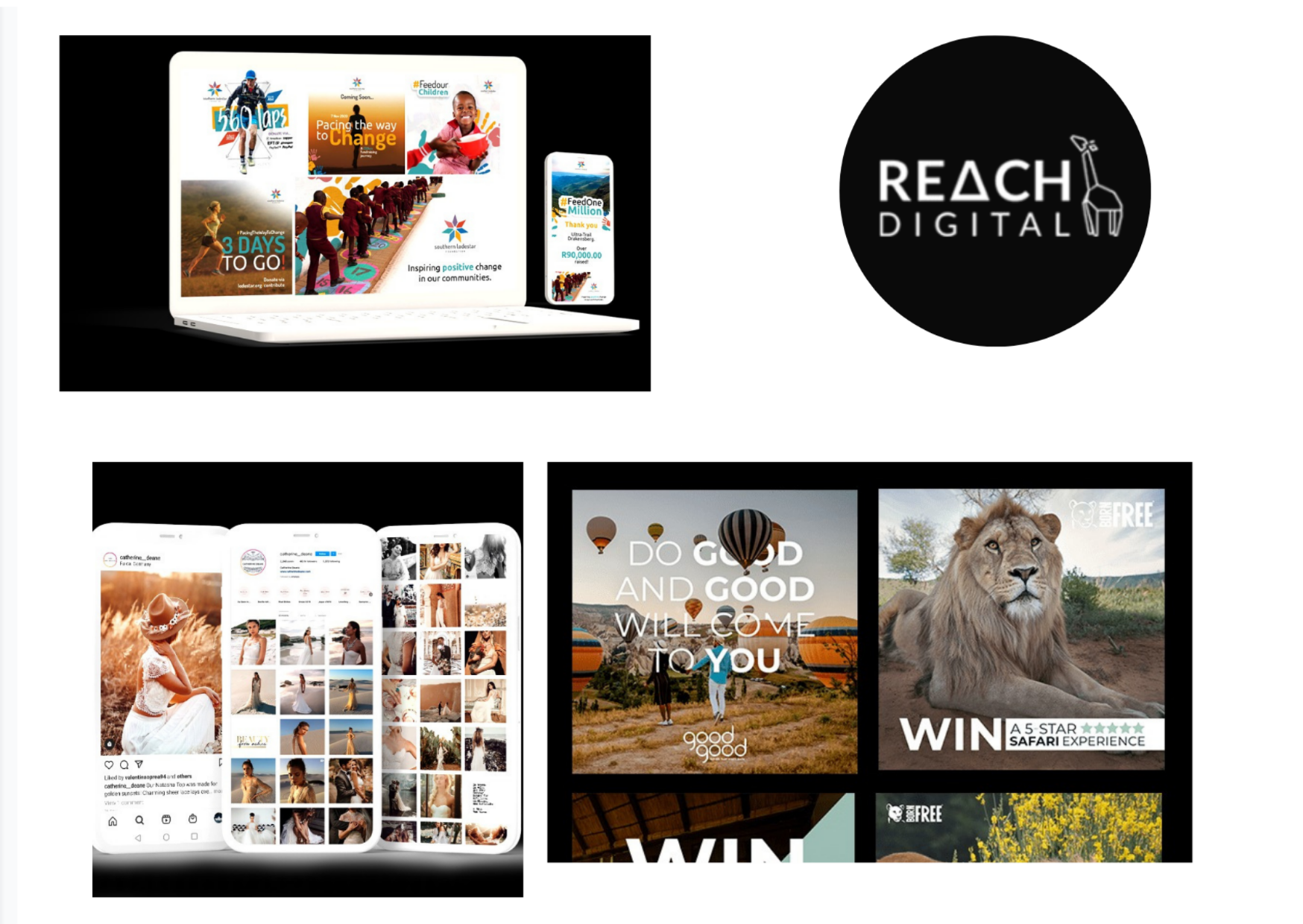
Finally, consider how brand work will connect with acquisition and lead generation. If your goal is to increase qualified inquiries, request a rollout plan that pairs brand messaging with demand-capture efforts like landing pages and ad-ready creative. Ask whether they can help coordinate with your advertising efforts, including ad copy themes, audience alignment, and creative consistency. For businesses that want both identity and measurable growth, a partner such as Reach Digital can support stronger brand storytelling while delivering strategic digital marketing and social media solutions tailored to your growth goals.
Conclusion
Hiring the right partner for brand development in Cape Town is less about finding “the prettiest deck” and more about choosing a team that understands buyer intent. When you define success metrics, test for strategic thinking, and evaluate real-world rollout capability, you reduce risk and increase the odds of measurable outcomes. A clear process with transparent deliverables keeps your budget aligned with the results you want from your marketing investment.
If you’re building a brand that earns attention and converts it into customers, Reach Digital offers a practical blend of brand direction and results-focused digital execution through reachdigital.co.za. Use the checklist above to shortlist partners, ask sharper questions, and select an approach that supports both identity and growth. With the right guidance, your branding can become a consistent engine for recognition, trust, and demand.
