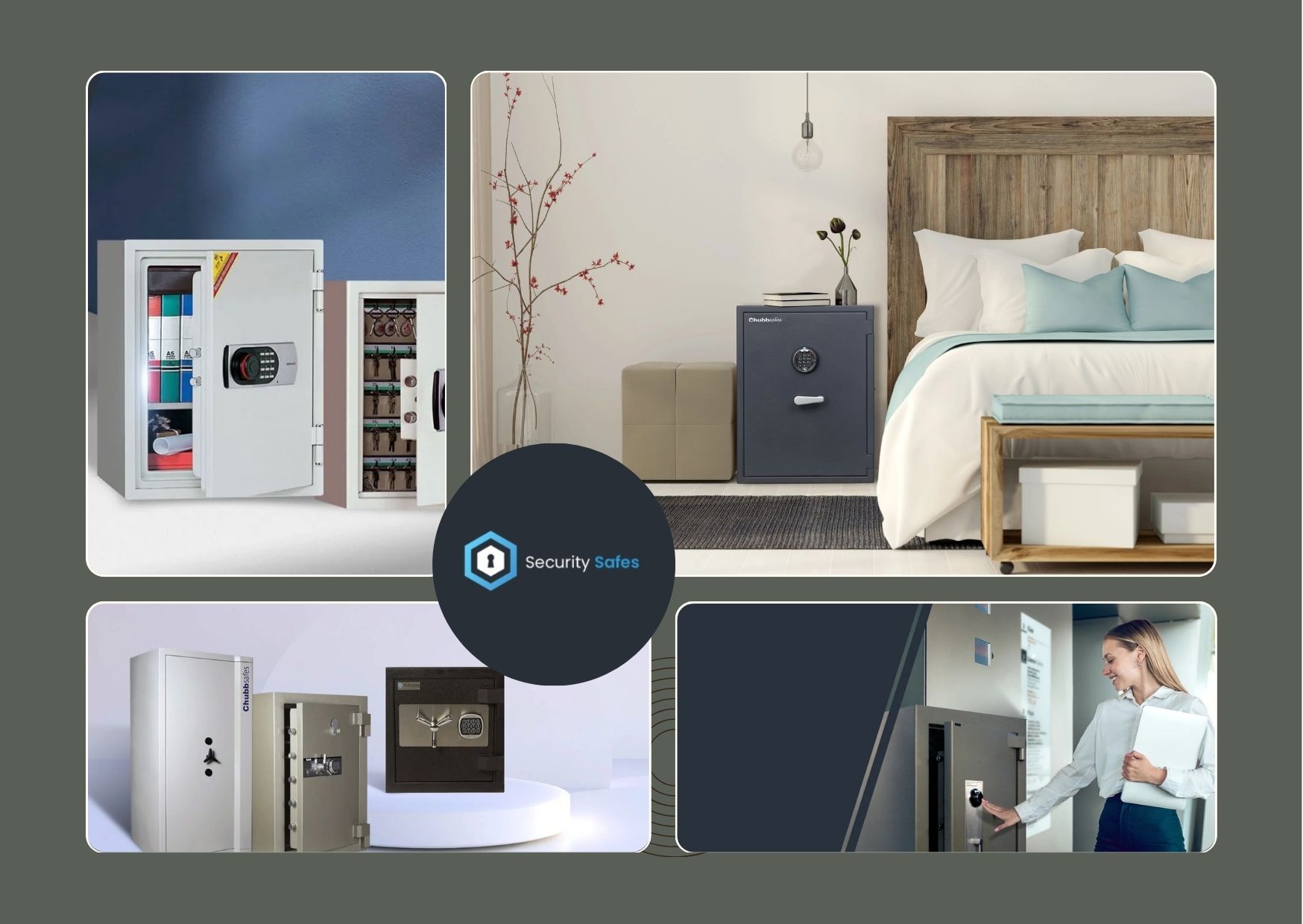
Start with your risk profile and access needs
Before you compare options, map out what you’re protecting and how you need to access it. Items like passports, legal documents, jewellery, USB drives, cash, and firearms each demand different levels of fire resistance, impact protection, and internal organisation. A safe that suits a security safes filing cabinet may not suit high-value valuables that require stronger locking and thicker construction. Think about who needs access, how often you’ll retrieve items, and whether you want owner-only control or staff access with audit-friendly procedures.
Next, compare the practical side of installation and placement. A heavy model may need floor assessment for safe anchoring and long-term stability, especially in commercial premises. Consider whether you want a concealed location, a dedicated security room, or a discreet wall/under-bench placement. Taking measurements early helps you avoid overspending on capacity you can’t install, or choosing a safe that fits the space but compromises on protection. A clear plan reduces buyer’s remorse and improves long-term usability.
Security safe versus alternative storage: what each does best
A purpose-built safe typically provides controlled access, durable construction, and built-in security features designed for day-to-day home or business use. In contrast, some alternatives rely more on safe deposit boxes external processes and availability rather than the physical resistance of the container itself. If you need immediate retrieval at any time, a dedicated safe usually delivers more autonomy than storage that depends on third-party handling.
It also helps to understand how fire and burglary ratings affect real-world outcomes. Some safes prioritise fireproof insulation and internal document protection, while others focus on burglary resistance and tamper resistance. Comparing these priorities matters because a container can be excellent at resisting one risk and weaker at another. For example, document-centric models may include specialised paper protection and heat shielding, while valuables-focused models may feature reinforced locking mechanisms and thicker steel. Choosing based on your actual threats—not just marketing claims—leads to better protection.
Service comparison: delivery, installation, and compliance
Service quality is often the deciding factor after the security features. When comparing suppliers and service packages, look for clear guidance on selecting the right size, lock type, and fire rating for your items. Good service includes accurate product specifications, honest advice about capacity, and installation recommendations tailored to your location. For commercial clients, it can also include assistance with workplace procedures, such as managing access for multiple staff members. These details save time, reduce incorrect purchases, and improve confidence in the final setup.
Installation and anchoring should also be part of the comparison. A safe that’s not correctly positioned and anchored can be easier to remove or tamper with, especially in open-plan environments. Ask whether the brand or retailer supports installation planning, delivery handling, and safe placement guidance before purchase. If you’re comparing lock types and access methods, consider how the safe will be managed over time, including key control, code handling, and any reconfiguration options. Solid after-sales support matters because even the best security features rely on correct installation and consistent use.
Conclusion
Start with a risk profile, then narrow choices based on fire and burglary priorities, usability, and installation practicality. When you evaluate suppliers, pay attention to delivery clarity, installation planning, and after-sales support so the safe performs as intended in everyday conditions. A dedicated safe typically provides immediate, on-site access and physical resistance shaped for your chosen risk level. Meanwhile, deposit-style options may suit certain routines, but they can introduce limits around retrieval timing and handling. By comparing features and services side by side, you can choose a solution that protects your possessions and fits how you live or operate.
