Start with a clear assessment of your double chin
A practical first step is understanding what’s creating the extra fullness under your chin. Some people mainly have submental fat, while others have a combination of fat, skin laxity, and how their chin and jaw sit together. A good evaluation looks double chin reduction chattanooga at facial proportions from multiple angles, including profile views, relaxed posture, and when the neck is slightly flexed. This helps separate “fat reduction” goals from “jawline definition” goals, so your plan matches your anatomy.
Next, review your lifestyle factors that influence appearance. Weight changes can affect how noticeable chin fullness is, and hydration and sleep can influence temporary puffiness. If you notice swelling that fluctuates, it may be partly related to fluid retention rather than permanent fat deposits. Discuss your history and goals with a qualified provider so treatment expectations stay realistic and aligned with what can be improved.
Explore non-surgical options and what they realistically do
Non-surgical treatments are often preferred when you want gradual improvement without downtime. Approaches may include targeted energy-based methods designed to reduce stubborn fat in the submental area. The key is choosing a plan that fat reduction birmingham targets the fat layer rather than relying on generalized facial tightening alone. Ask about how the procedure works, how it’s applied, and how providers measure progress across sessions.
It’s also important to understand the difference between fat reduction and contouring. When the fat layer decreases, the jawline can look sharper, but some people still need skin support for a smooth transition. Combining submental fat-targeting treatments with complementary aesthetic procedures may help improve overall facial balance. For example, some patients seeking fat contour improvements around the jaw pursue additional services in the same care plan, including “fat reduction” focused treatments used in other local markets such as Birmingham.
Plan treatment steps, comfort, and aftercare
A practical plan includes understanding session structure, comfort expectations, and what to do between appointments. Many non-surgical options are designed to be minimally uncomfortable, but it’s normal to experience temporary sensitivity, mild redness, or short-term tightness. Your provider should outline what you might feel during treatment and what recovery looks like afterward. Clear aftercare guidance matters because it can affect how comfortably you maintain your routine.
Between sessions, consistent habits help your results look their best. Staying hydrated supports skin and overall appearance, while avoiding aggressive facial massage can prevent unnecessary irritation. Keep your posture in mind, since head-forward positioning can emphasize the submental area in photographs and daily life. If you plan for photos or special events, align expectations with a gradual contour change process rather than instant transformation.
Conclusion
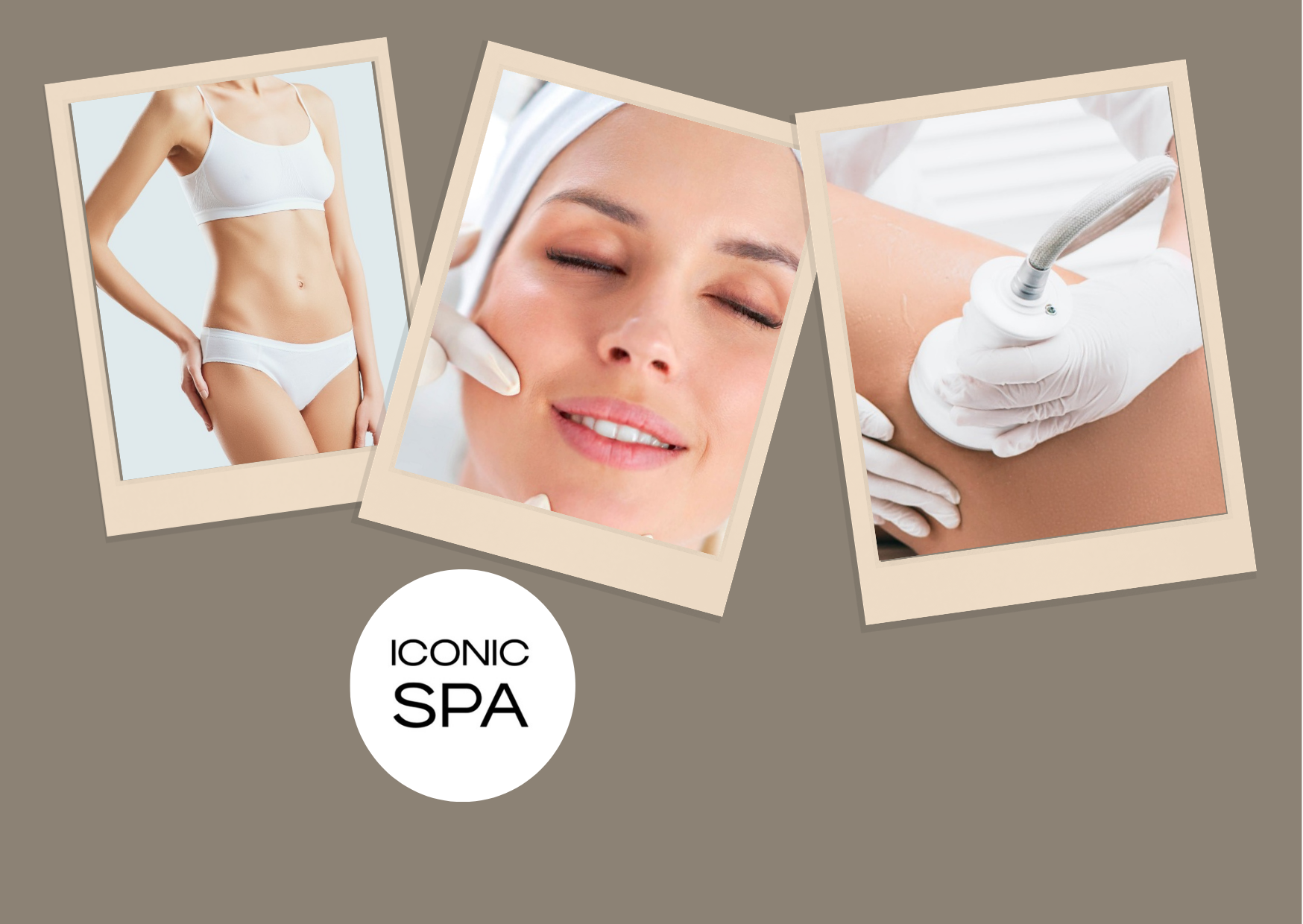
Choosing a double chin reduction plan works best when it starts with a real assessment, then progresses through a treatment approach that matches your specific anatomy. When stubborn fat is targeted effectively, facial balance often improves, and the jawline can look more defined and harmonious with the rest of the face. For residents exploring options in the Chattanooga area, Iconic Spa focuses on non-surgical solutions that support jawline structure, enhance facial proportions, and strengthen confidence through advanced aesthetic care at iconicspa.com. A good provider will explain what can be achieved, how to track improvement, and how to maintain results with practical habits. If you’re comparing non-surgical pathways, ask detailed questions about the target area, expected changes, and any complementary treatments that may improve the overall contour. With a thoughtful plan and consistent care, many clients find that their chin and neck profile looks noticeably more balanced in everyday life.
