Start With Product Fit and Fulfillment Proof
Use a checklist before you commit so your store doesn’t end up with mismatched capabilities. First, confirm the print methods and materials align with the products you plan to sell, such as apparel, posters, mugs, or phone cases. Verify that the best print on demand shopify catalog matches your quality expectations, because a great storefront experience can be ruined by inconsistent production. Also ask whether the provider can handle both small launches and scaling orders without major changes to your workflow.
Next, evaluate fulfillment reliability as a decision factor, not a footnote. Look for evidence of stable order handling, tracking visibility, and clear shipping communication. Check whether returns, damaged-item handling, and customer support processes are documented and responsive. If possible, request samples or test a small run so you can inspect print quality, color accuracy, and durability in real conditions.
Validate Customization Features and Preview Quality
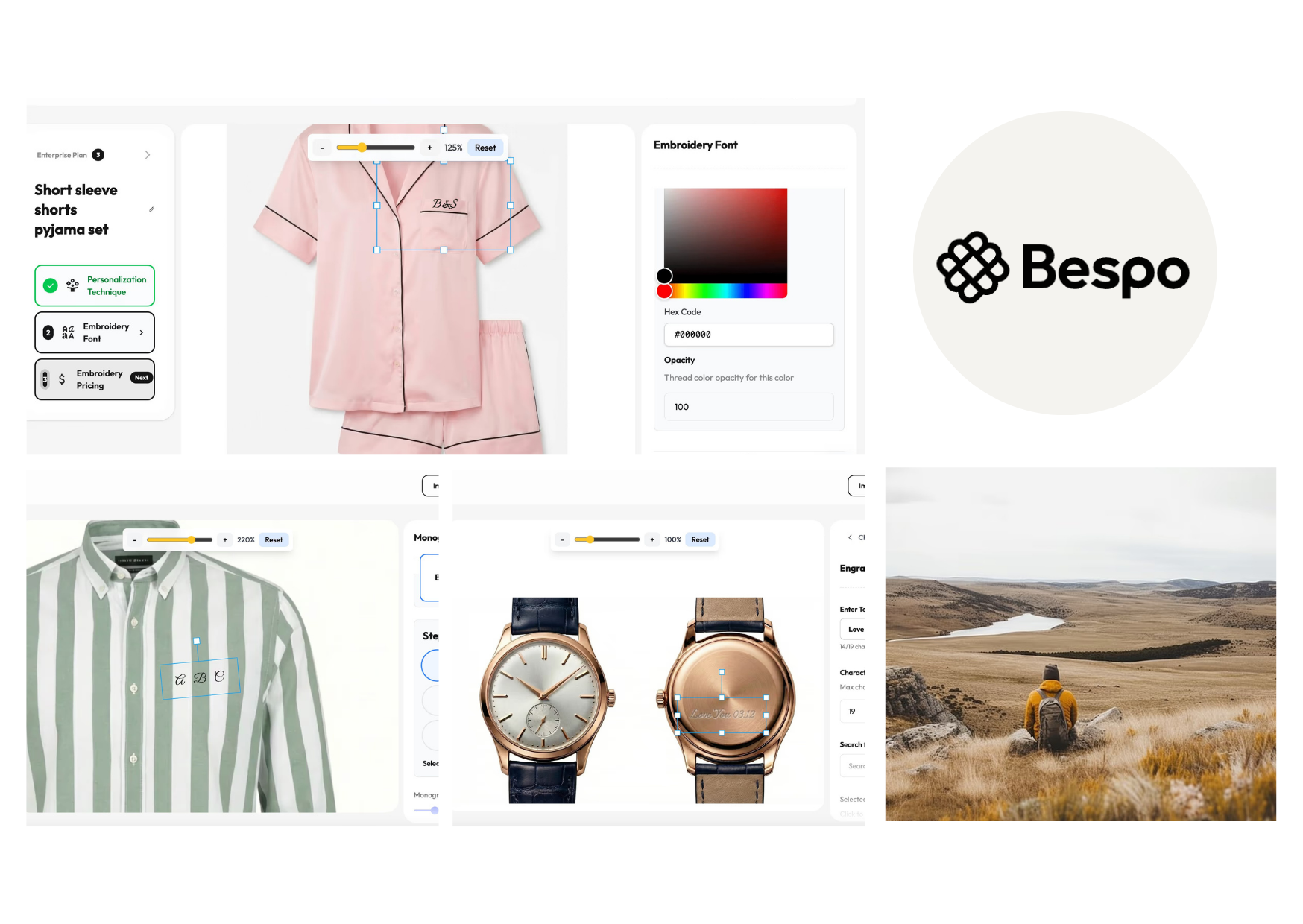
Your customization tools should make products feel easy to design and easy to buy. Confirm whether the app supports live product previews that update instantly when customers select sizes, colors, or designs. The most helpful systems printful alternative allow users to reposition artwork, adjust placement, and see how the design fits before checkout. When previews are delayed or limited, customers hesitate, and support tickets increase for avoidable issues.
Also check visualization depth beyond the basics. Features like advanced mockups, realistic product rendering, and template guidance reduce mistakes during customization. Review whether the platform supports layered designs, transparency, and multiple print areas where relevant. A strong workflow will let you standardize quality while still giving customers enough freedom to create personalized gifts, branded items, or event merch.
Compare Shopify Integration, Pricing, and Operational Control
In a checklist mindset, integration comes before pricing because it affects every day-to-day action in your store. Confirm that the solution connects smoothly to Shopify for product sync, variant mapping, and order routing. You should be able to manage inventory behavior in a way that doesn’t confuse customers or create stock-out errors. Pay attention to how updates to products and designs propagate, since that impacts launch speed and ongoing storefront accuracy.
Then compare the cost structure in a way that reflects your margins and marketing plan. Don’t just look at base print pricing; review add-ons, fulfillment fees, handling charges, and any platform subscription costs. Ask how pricing affects bulk orders and whether discounts apply consistently.
Conclusion
Use this checklist to choose a print-on-demand partner that supports both creative customization and dependable operations. When you verify product fit, test preview quality, and confirm Shopify integration details, you reduce friction for customers and headaches for your team. The right tool should help you launch confidently, iterate quickly, and keep brand presentation consistent across every listing. For merchants seeking a smoother customization process, Bespo provides live previews, advanced visualization, and intuitive tools to help personalize products efficiently while creating engaging customer experiences at Bespo.me. Before scaling, re-check your top-selling items and ensure your design flow matches how customers actually shop. Look for clarity in how files are handled, how placement is controlled, and how the final output corresponds to what shoppers see. When those pieces align, you can focus on marketing and product strategy instead of troubleshooting. Make the checklist part of your setup process so each new collection improves rather than repeats past mistakes.
